

Blog
Notes from cell & gene therapy operations.
 How Automated Logistics Booking Eliminates the 4-Hour Window That Delays Patient Treatment
At 2:15 PM, a cell therapy batch is released by Quality Assurance. At 2:45 PM, the logistics coordinator notices the email. At 3:00 PM, the courier portal is finally opened. The next available cryogenic shipment slot? Tomorrow morning. One therapy. One patient. Nearly 18 hours lost. Not because manu
 Why the Right Alert at the Right Moment Changes Everything in Cell Therapy Operations
In cell therapy, delays rarely begin with manufacturing. More often, they begin with communication. A missed notification. An email opened too late. A scheduling conflict discovered after the courier arrives. A QA hold sitting unnoticed during shift changes. The challenge is not whether organization
 The Hidden Bottleneck in Cell Therapy: Why Benefits Verification Delays More Therapies Than Manufacturing
Ask any cell and gene therapy (CGT) operations leader what slows down patient treatment. Most answers are predictable: manufacturing complexity, logistics coordination, or quality review cycles. All valid. But not always the real constraint. Over the past several years, our team has observed a diffe
 Why Cell Therapy Visibility Must Start at Patient Enrollment – Not Manufacturing
In many cell therapy programs, visibility is often viewed as a manufacturing responsibility. Where is the batch? Which step is currently active? Has quality review been completed? These are valid and necessary questions. Manufacturing visibility remains a foundational requirement for maintaining FDA
 How Connected MES Modules Reduce FDA Audit Preparation from Weeks to Hours in GMP Environments
When regulators request the history of a single batch, the clock starts immediately. In many cell therapy and biologics manufacturing environments, that request triggers a familiar response: teams pause their daily work and begin gathering records from multiple sources. Batch records from storage. S
 Why Freezer Inventory Becomes the Third Module in the MES Journey for Cell Therapy
In cell and gene therapy, the moment a batch is completed is not the end of the process. In many ways, it is the beginning of a new phase. The therapy moves into storage – often at ultra-low temperatures like -196°C. It may remain there for days, weeks, or even months before reaching the patient. An
 When Batch Records Meet Scheduling: The Hidden Intelligence Transforming GMP Operations
Most organizations assume MES value is additive. Implement Electronic Batch Records (EBR), and documentation improves. Add Production Scheduling, and resource coordination improves. Simple equation: 1 + 1 = 2. But in practice, something more meaningful happens. When these two systems connect on a un
 Why Production Scheduling Is Often the Second Module Organizations Implement After Electronic Batch Records
Organizations implementing Electronic Batch Records (EBR) often see immediate improvements. Batch documentation becomes digital. Quality Assurance (QA) review cycles shrink from hours to minutes. Deviations surface earlier in the process. Audit preparation becomes significantly easier. For many orga
 How Electronic Batch Records Reduce QA Review Time from Hours to Minutes
6 hours to review a batch record. 5 hours and 45 minutes spent confirming nothing went wrong. For many cell and gene therapy (CGT) organizations, this is still the reality. Quality Assurance (QA) teams in GMP environments often spend 4-8+ hours reviewing a single paper batch record. Not because the
 How Modular Software Enables 4-6 Month Implementation in Cell & Gene Therapy
In cell and gene therapy (CGT), speed matters. Not just for operational efficiency. But for patients waiting at the end of the supply chain. Yet many organizations still face 12–24 month software implementations before they see meaningful value. In an industry governed by FDA regulations, GMP requir
 Workflow Orchestration: Why Executing Steps in the Right Sequence Matters for GMP Compliance
In cell therapy manufacturing, progress isn’t just about moving faster. It’s about moving in the right order. Every therapy follows a tightly defined path. Collection must happen before processing. Processing must complete before quality review. Release can’t occur until every prerequisite is docume
 How MES Helps Ensure GMP Compliance in Manufacturing
In regulated manufacturing, compliance is often treated as a checklist. A set of SOPs to follow. A training module to complete. A review step at the end of a batch. But in GMP environments – especially in cell therapy and other patient-specific manufacturing models – that approach is increasingly fr
 5 Signs Your Lab Has Outgrown Spreadsheet-Based Sample Tracking (and What to Do Next)
Spreadsheets have supported life sciences teams for decades. They’re familiar, flexible, and quick to set up. But as labs scale, especially in regulated environments like cell therapy, biobanking, and advanced biologics – what once worked can quietly become a source of risk. Over the years, our team
 Scaling CAR-T Operations: The 7 Handoffs That Require End-to-End Traceability
Personalized cell therapies don’t fail at a single point. They strain at the transitions. Across the CAR-T journey, patient material moves through multiple teams, locations, and systems – each governed by strict FDA regulations, GMP requirements, and SOPs. What has been observed over years of suppor
 Apheresis Scheduling in Cell Therapy: How It Works and Where Alignment Breaks Down
Apheresis scheduling is one of the most time-sensitive steps in the cell and gene therapy (CGT) lifecycle. On paper, the process appears linear: schedule the patient, collect cells, move to manufacturing. In real-world GMP environments, apheresis scheduling is rarely that simple. It sits at the inte
 Autologous vs. Allogeneic Cell Therapies: Supply Chain Differences That Impact Scale and Compliance
Autologous and allogeneic cell therapies are often compared from a scientific or clinical perspective. For organizations responsible for manufacturing and delivery, however, the most meaningful differences appear in the supply chain. These therapies follow fundamentally different operational models.
 How to Digitize Your SOPs Without Disrupting FDA-Validated Processes
In the fast-evolving world of cell and gene therapy, operational efficiency is more than a business goal, it’s a patient safety imperative. Yet, for many CDMOs, CMOs, and biotech companies, the idea of digitizing Standard Operating Procedures (SOPs) triggers a common concern: “What if we disrupt wha
 5 Questions Every Cell Therapy Organization Should Ask Before Their Next FDA Audit
Preparing for an FDA audit in cell therapy isn’t just about documentation, it’s about readiness across people, processes, and technology. For patients whose treatment depends on precise, time-sensitive coordination, every operational detail matters. A single delay in scheduling, a missing timestamp,
 Manual Processes in Cell Therapy: Small Delays, Real Consequences
In cell therapy, time is not an operational metric, it is a part of patient care. Every hour spent reconciling spreadsheets, coordinating by email, or verifying data manually is an hour a patient waits for treatment that could change their life. Across our work with cell therapy organizations, we’ve
 Collaborative CGT Supply Chains: Improving Coordination, Compliance, and Visibility
The cell and gene therapy (CGT) industry is moving toward a future where coordination, not just capability, defines success. As therapies scale, organizations across the supply chain are discovering an essential truth: no single stakeholder can operate independently. Manufacturers, clinics, couriers
 Why Modular Software Architecture Is Becoming Essential for Cell Therapy Operations
The cell and gene therapy industry operates under a unique set of pressures. Every organization has distinct workflows, different regulatory requirements across regions, and specific operational processes that have been validated over years. Yet many software solutions on the market today force comp
 Cell and Gene Therapy Trends for 2026: Navigating the Evolution of Advanced Therapeutics
By the end of 2026, the way we manufacture cell and gene therapies will look fundamentally different than it does today. Not because of scientific breakthroughs alone, but because operational realities are forcing a transformation that’s long overdue. The cell and gene therapy (CGT) landscape stands
 Supply Chain Integration with PragLife: Orchestrating Seamless Connectivity Across the Cell & Gene Therapy Ecosystem
In cell and gene therapy manufacturing, the difference between a life-saving treatment reaching a patient on time and a critical delay often comes down to one factor: supply chain integration. The complexity is staggering. A single CAR-T therapy journey involves coordinating patient enrollment, aphe
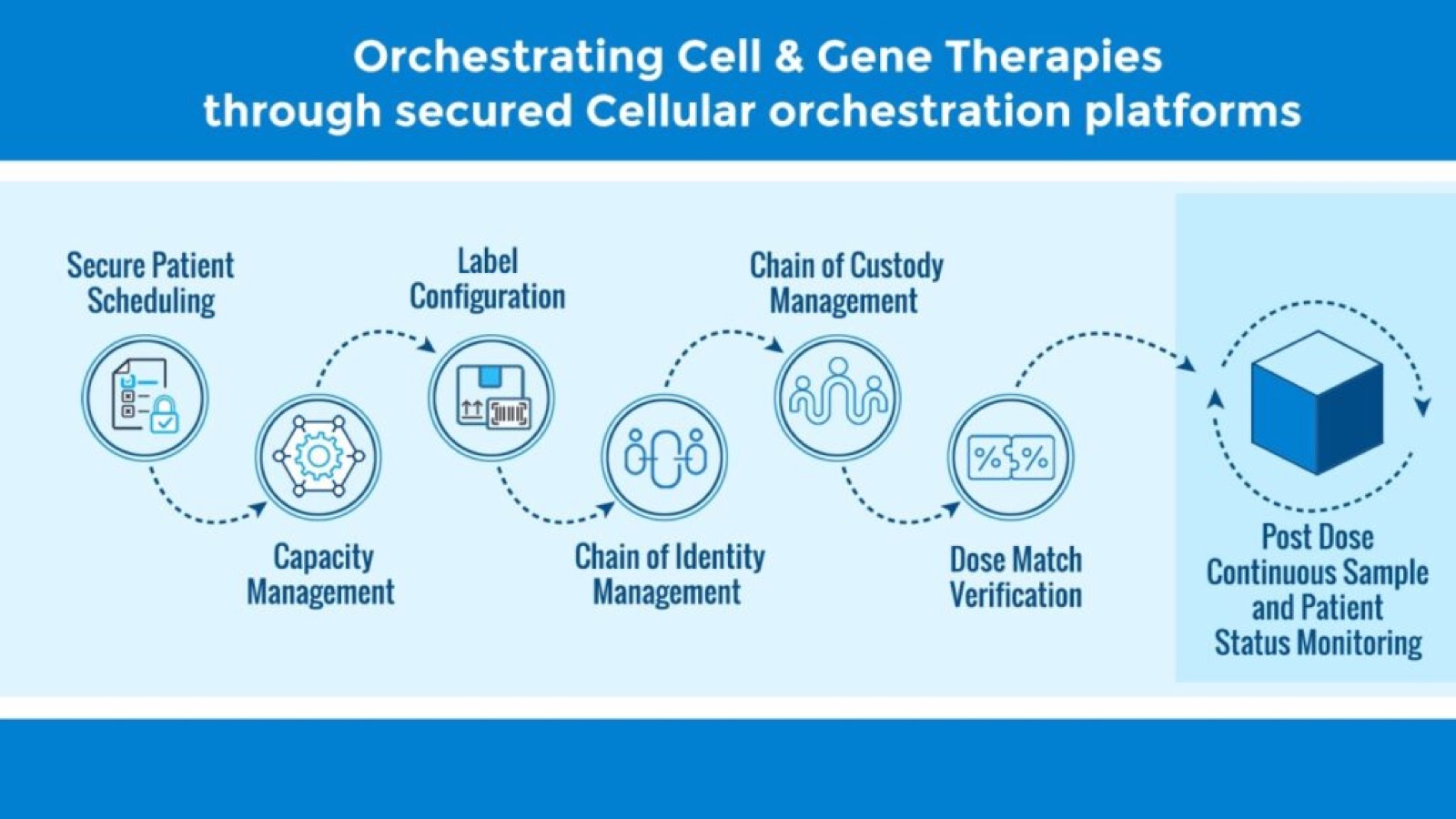 How Cellular Orchestration Platforms Handle the Diversity of Cell & Gene Therapies
The cell and gene therapy landscape in 2025 presents an unprecedented challenge: the pipeline contains over 4,000 candidates, half of them gene therapies – according to the American Society of Gene & Cell Therapy (ASGCT) and Citeline’s Q3 2024 report. Each therapy brings unique requirements for manu
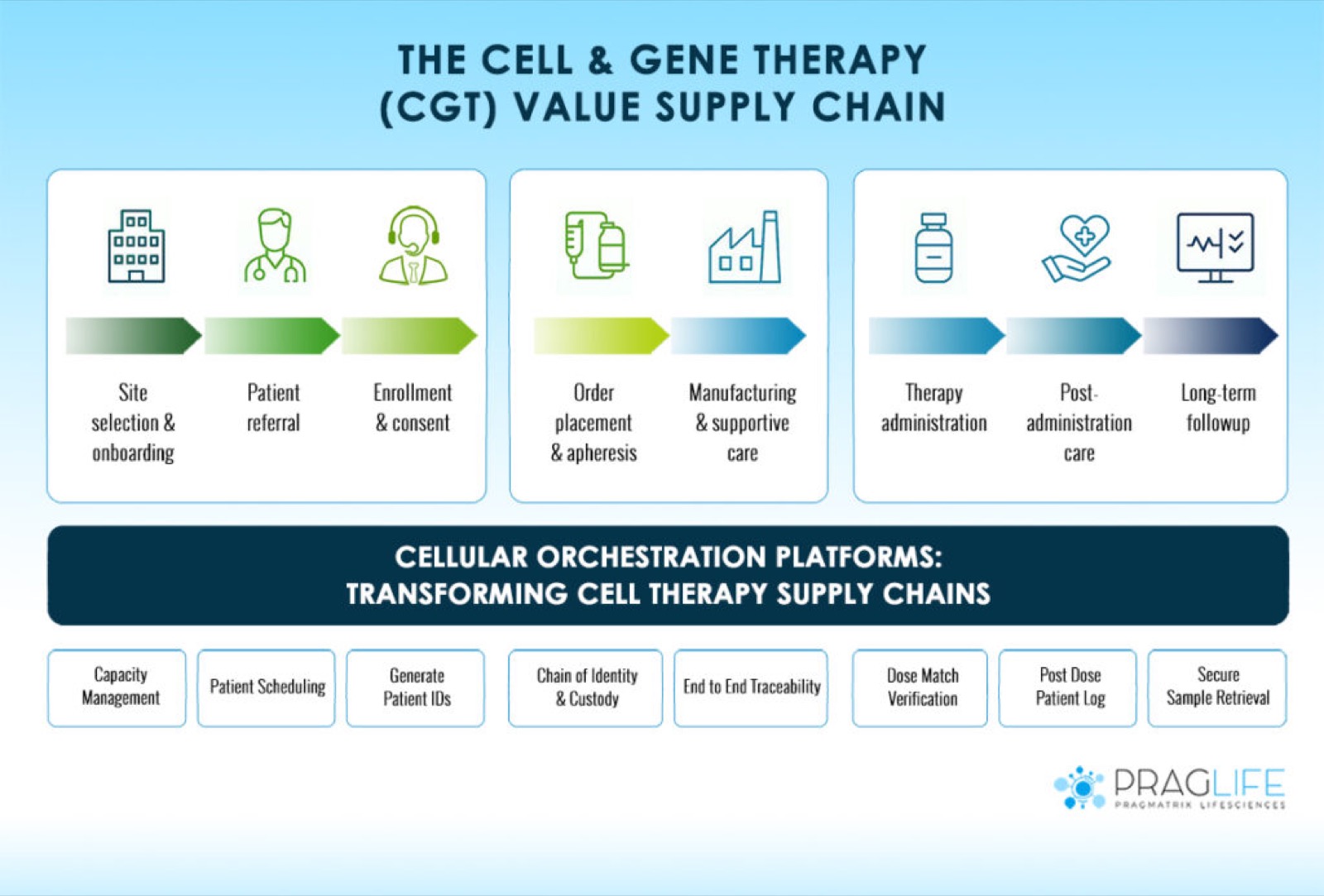 Why Cell Therapy Supply Chains Need Cellular Orchestration Platforms
The cell and gene therapy (CGT) landscape has evolved dramatically over the past decade. With over 3,000 clinical trials worldwide and commercial therapies reaching patients at unprecedented speed, the industry faces a critical challenge orchestrating increasingly complex supply chains that span con
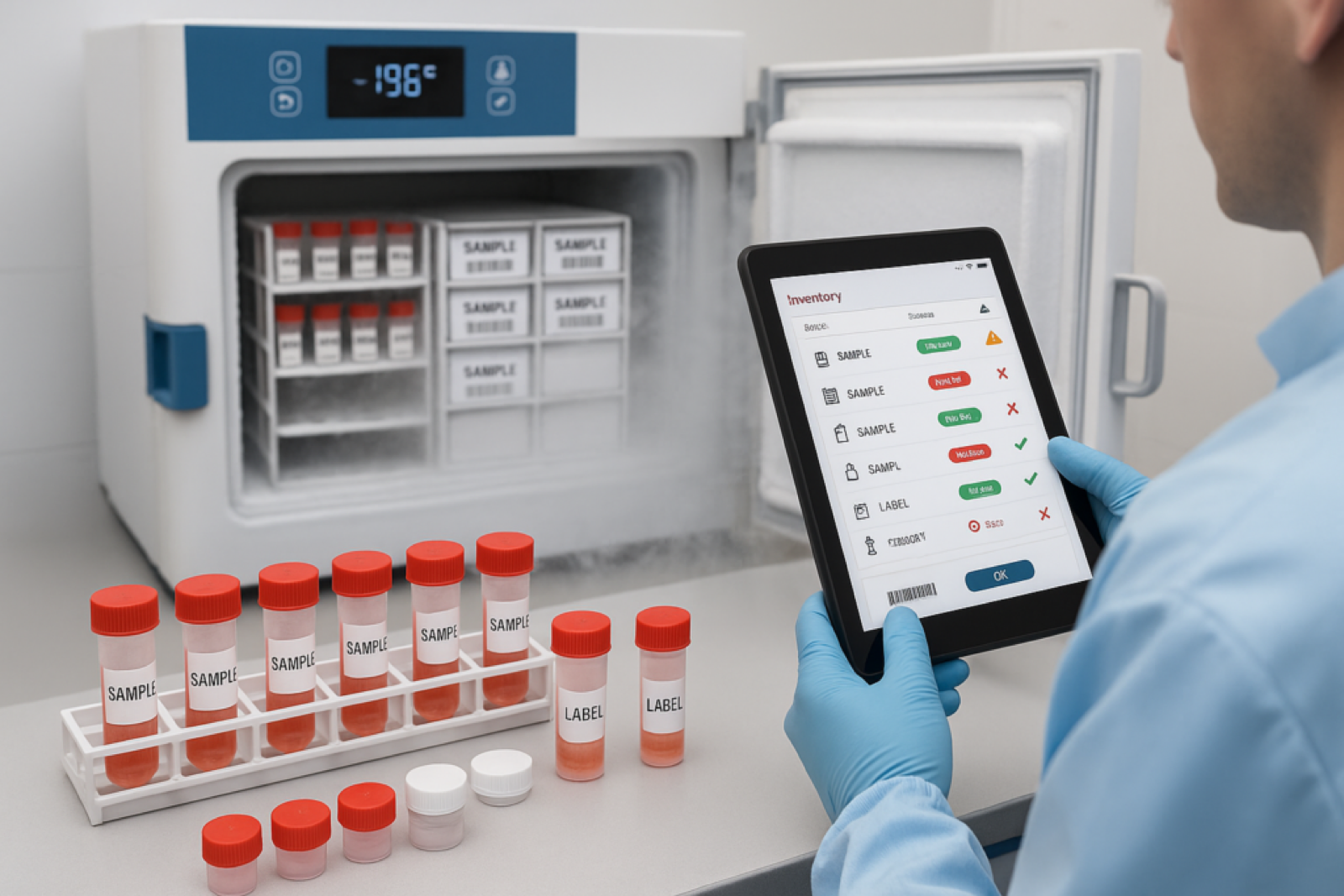 7 Critical Ways Sample Inventory Management Systems Enhance Biological Sample Traceability and FDA Audit Readiness
In the highly regulated world of cell and gene therapy, maintaining impeccable sample traceability and audit readiness isn’t just good practice – it’s essential for patient safety, regulatory compliance, and therapeutic success. As biological samples become increasingly valuable and personalized the
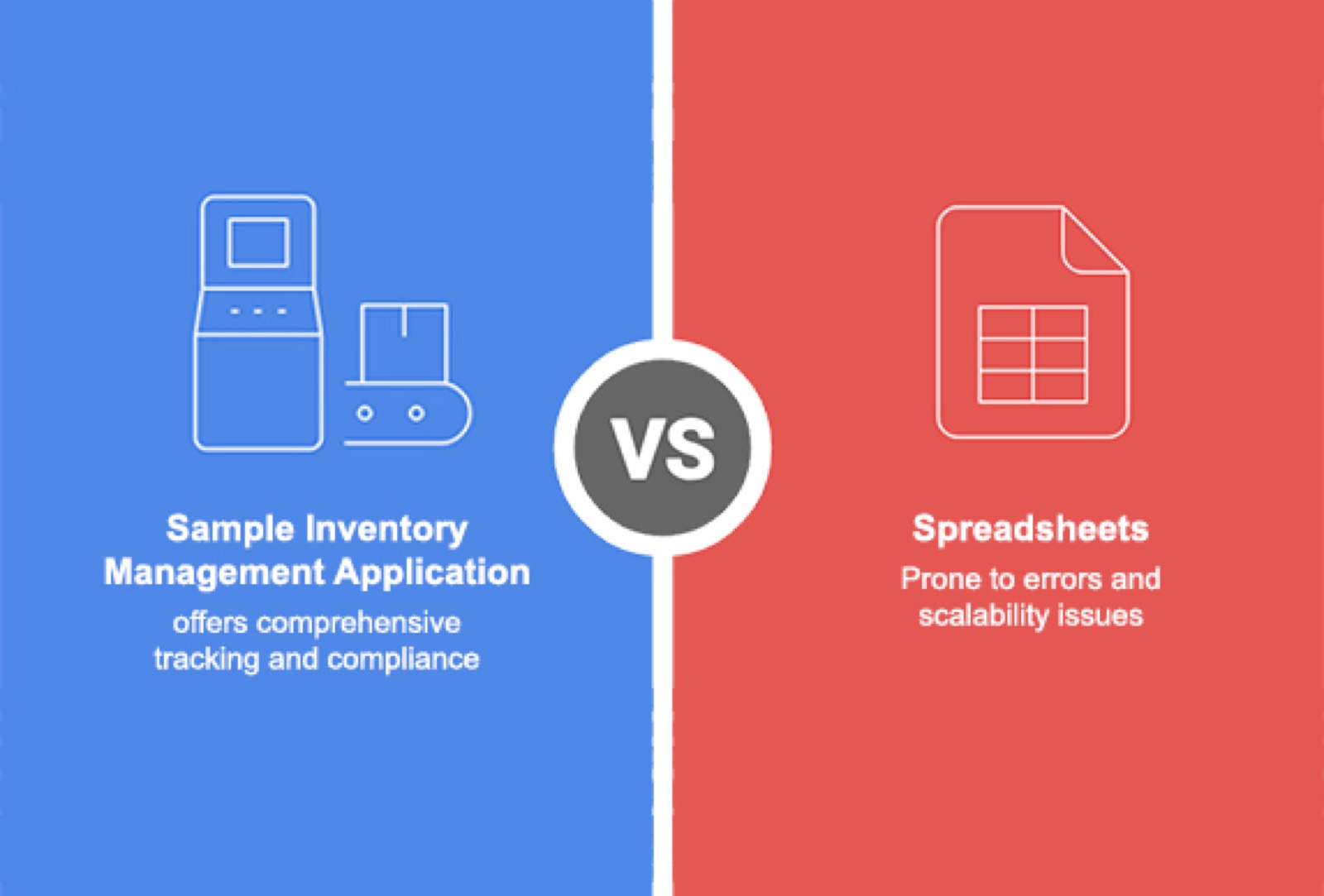 Spreadsheets Vs. Sample Inventory Management Systems: A Comparative Guide for Managing Biological and Cell Therapy Sample Data
In the highly regulated world of life sciences and cell therapy, proper inventory management of biological samples isn’t just good practice it’s critical for patient safety, regulatory compliance, and operational success. Organizations working with biological materials face unique challenges that de
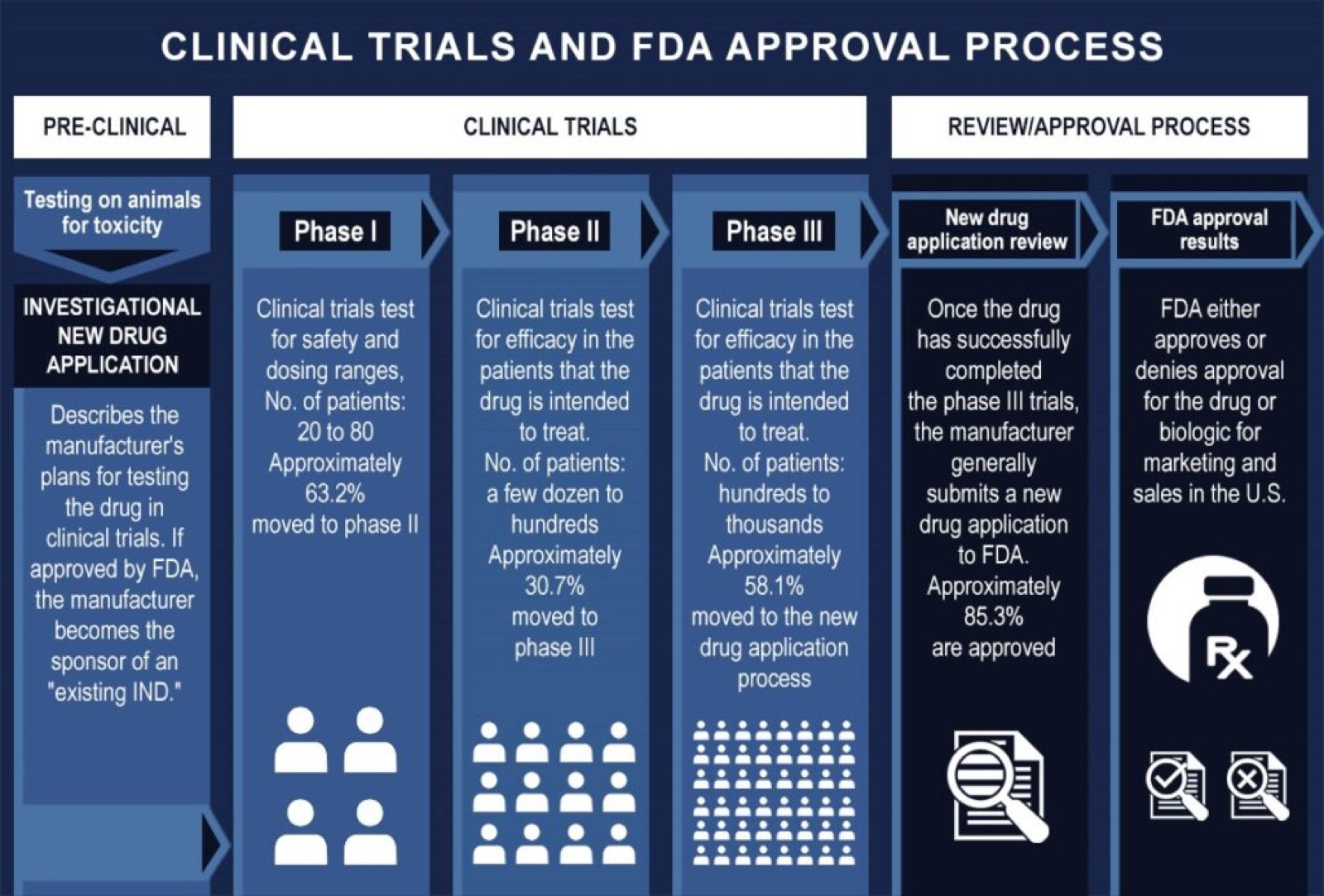 How a Sample Inventory Management System Supports Scaling from Phase I to Commercialization
In the world of cell and gene therapy, growth is both the goal and the challenge. Early-stage biotech companies begin with a handful of samples, managed in spreadsheets and tracked manually. But what happens when your promising therapy enters Phase II, scales to multi-site trials, and eventually mov
 10 Must-Follow Regulatory Compliance Checks for Storing Biological and Cell Therapy Samples in 2025
In the rapidly evolving landscape of cell and gene therapies, maintaining regulatory compliance for biological sample storage isn’t just good practice, it’s essential for patient safety, product integrity, and business continuity. As regulatory frameworks continue to evolve in response to technologi
 CASE STUDY : Partnering with NYBC to Transform Their Cord Blood Storage and Distribution
A case study demonstrating how Pragmatrix’s GMP-compliant sample inventory management solutions helped the New York Blood Center (NYBC) optimize their cord blood storage and distribution while maintaining strict FDA regulatory compliance Building the Infrastructure for NYBC’s Life-Saving Cord Blood
 Step-by-Step Guide to Implementing Sample Inventory Management System for Managing Biological and Cell Therapy Samples
Across the highly regulated landscape of life sciences, properly managing biological and cell therapy samples isn’t just good practice, it’s essential for regulatory compliance, patient safety, and research integrity. Yet many organizations continue to rely on manual inventory systems that create si
 Implementing Barcodes in GMP Biologics: Overcoming Challenges & Choosing the Right Software
The implementation of barcodes in GMP (Good Manufacturing Practice) environments for patient-centric biologics handling firms can seem daunting. While the benefits are undeniable, the transition often presents challenges. Let’s delve into the practical difficulties and how the right software can eas
 Streamlining COI and COC for GMP Organizations: A Practical Guide to Software Implementation
Ensuring a seamless Chain of Identity (COI) and Chain of Custody (COC) is a top priority for GMP (Good Manufacturing Practice) organizations. While the transition to digital systems offers immense benefits, a successful implementation requires careful planning and collaboration. This guide outlines
 Beyond Paper: Unlocking the Power of Electronic SOPs for GMP Compliance
In the highly regulated world of Good Manufacturing Practices (GMP), Standard Operating Procedures (SOPs) are the backbone of quality and compliance. Traditionally, these SOPs have existed in the physical realm of binders and paper documents. However, as technology advances, the question arises: Is
 Off-the-Shelf Software for Cell Therapy Supply Chain and Manufacturing: A Reality Check
Cell therapy is a rapidly evolving field with unique complexities in its supply chain and manufacturing processes. As CMOs (Contract Manufacturing Organizations) and CDMOs (Contract Development and Manufacturing Organizations) look for solutions to streamline their operations and ensure compliance,
 Chain of Identity (COI) & Chain of Custody (COC) in Biologics: A Deep Dive
In the intricate world of biologics, where patient safety is paramount, two concepts stand out as critical pillars of quality assurance: Chain of Identity (COI) and Chain of Custody (COC). Let’s explore what they mean and why they are indispensable for patient-centric organizations. What are COI and
No posts match that search.